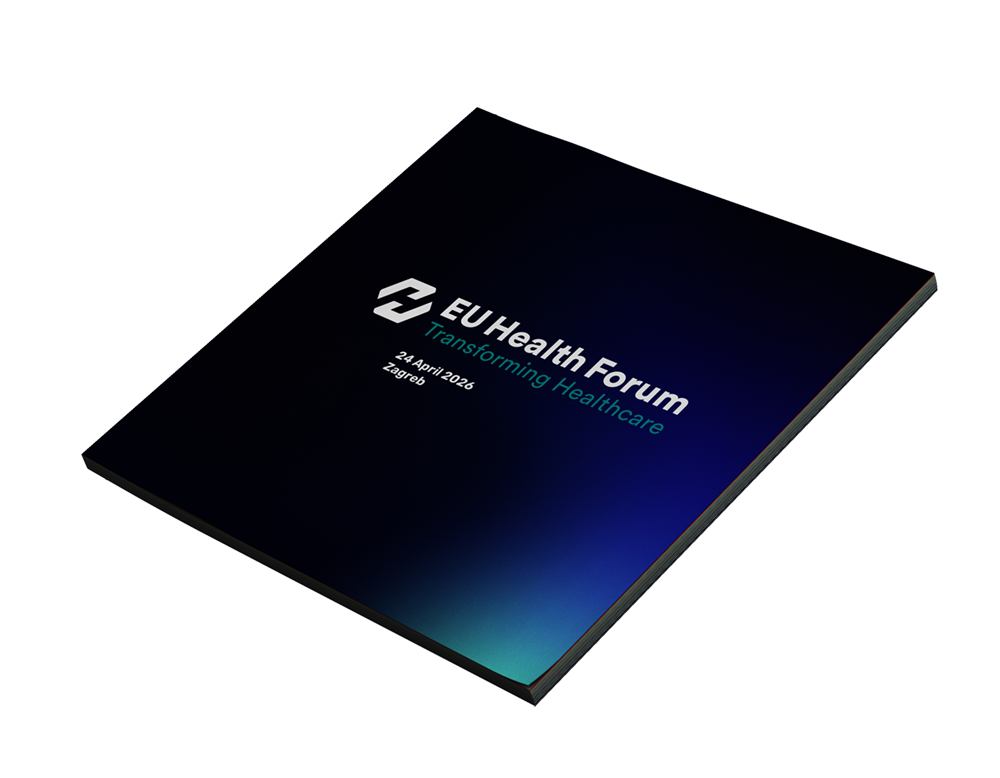
EU HEALTH FORUM 2026

Join key European and Croatian healthcare stakeholders in a discussion shaping the future of health systems in an evolving global landscape.


April 24, 2026 | Zagreb

Join top experts from policy, science, industry, and regulation to forge sustainable solutions.
Discover how new geopolitical and demographic shifts are reshaping EU healthcare and what it means for Croatia.

ABOUT THE CONFERENCE

EU Health Forum brings together top level experts from healthcare, science, industry, and the regulatory sphere to open a dialogue on the challenges and solutions shaping a more sustainable, efficient, and accessible health system.

KEY TOPICS 2026

This year, we focus on the implementation of European regulations, the strategic resilience of systems and supply chains, data-driven health outcomes, and the role of innovation and prevention in redefining health policy in Croatia and the European Union.
How can we increase the efficiency of the healthcare system?
How can we ensure sustainable access to medicines and innovation?
How can we respond to the pressures of the next decade?

KEY CHALLENGES

1

Changes in the global order are reshaping the rules of the game in healthcare too.

Geopolitical circumstances, population aging, and the rise of chronic diseases are creating pressures that health systems can no longer ignore.
2

Short-term solutions are no longer an option. 

A focus on cost containment misses opportunities for better prevention, efficiency, and long-term sustainability.
3

Healthcare is becoming a strategic issue.

Security of medicine supply, faster access to innovations, and sustainable financing are no longer just health topics, they're political ones.

GOALS OF THE EU HEALTH FORUM

From Vision to Implementation

Geopolitical realities and EU health regulations are changing the rules - but how can they be applied in practice?
The Forum provides a space for concrete interpretations, dialogue, and alignment of strategies between policymakers, healthcare systems, and industry.

Healthcare with a Clear Direction

Through the exchange of best practices, insights, and data, the goal is to chart a path toward healthcare that measures outcomes, invests in innovation, focuses on what delivers results, and meets the real needs of patients.

Collaboration that Delivers Results

Resilience and accessibility, innovation, and efficiency in healthcare depend on coordinated action among all stakeholders. We provide a space for partnerships, idea exchange, and long-term collaboration.

WHY PARTICIPATE

The healthcare system no longer operates by the old rules, and only those who deeply understand it can drive change.
By participating, you gain:
- access to key information on regulatory changes affecting all healthcare stakeholders
- exchange of perspectives with the participants shaping healthcare: from the system, industry, and European institutions
- insights into concrete models of collaboration, supply, investment, and performance measurement
Be part of the conversation that drives change: a place where ideas are encouraged, challenged, and transformed into a clear course of action.

AGENDA

08:30 - 09:00

Registration

SESSION 1.  REDEFINING HEALTHCARE

09:00 – 09:10

Opening of the Forum

Opening remarks by the organizer

09:10 – 09:30 

Opening interview:

Sustainability of the Croatian Healthcare System Under Real Pressures and Future Challenges

09:30 – 09:40

IN FOCUS 

EU Cardiovascular Plan and Croatian National Priorities

09:40 – 10:20

Panel discussion:

'The New Anatomy of Health: What Decisions Must We Make'

  • Concrete levers of effectiveness: prevention, priorities, and investments in measurable outcomes (1)
  • Shift towards early diagnosis and timely access to care (2)
  • How to ensure a faster patient journey through the system? (3)
  • What does the European plan for cardiovascular diseases bring, and what does it mean for Croatia? (4)
  • Does the EU plan for cancer control meet its goals, and how to stop the obesity pandemic? (5)
  • What is the current status of screening for hypertension and dyslipidemia in primary healthcare – what share of the population is covered and is there a plan to increase it?

(1) OECD – Health at a Glance 2025
(2) OECD – Waiting times / timely access
(3) OECD – Waiting times and access management tools
(4) European Commission – Cardiovascular health (Safe Hearts Plan)
(5) European Parliament Think Tank – Beating Cancer Plan implementation findings

10:20 – 10:30

Keynote:

The state of Croatian Healthcare: What Does the “Health Profile of Croatia” Tell Us? -  Report by the OECD, European Observatory for Health System and Policies, European Commission

10:30 – 11:10

Panel discussion:

How to Design a Healthcare System That Meets the Needs of Croatian Citizens

  • High mortality from preventable causes: cardiovascular diseases, diabetes, obesity, and cancer (1)
  • Can we improve healthcare and extend healthy life years within the next 5–10 years? (2)
  • The role of system organization: access, early diagnosis, and continuity of care (3)
  • Key risk factors: smoking, alcohol, obesity… (4)
  • What are the priority measures with the greatest impact on population health? (5)
  • What can we expect from the announced European Commission proposal for a unified tax on food with excessive sugar, salt and fat? 

(1) OECD – Croatia Country Health Profile 2025
(2) OECD – Health at a Glance 2025
(3) OECD – Waiting times / access
(4) OECD – Croatia Country Health Profile 2025 (risk factors)
(5) OECD – Health at a Glance 2025 (prevention/high-impact interventions)

11:10 – 11:20

COFFEE BREAK

SESSION 2. EU LEGISLATION AND THE EUROPEAN HEALTH UNION

11:20 – 11:30

Keynote:

'EU Regulation in Practice – What Changes for Patients and System'

11:30 – 12:10

Panel discussion:

''Access to innovative technologies and Security of Supply. Can EU and Croatian Healthcare System Deliver it all?”  

  • EU regulation and investment: how to accelerate innovation and improve access to new therapies (1)
  • Critical medicines and supply security: supply chain resilience and joint procurement (2)
  • Bringing manufacturing back to Europe: how realistic is it, and what needs to change? (3)
  • Critical Medicines Act (CMA): will it increase the availability of critical medicines? (4)
  • “Made in Europe” generic medicines and unmet medical needs: where are the solutions? (5)

(1) EU pharmaceutical reform – Directive (COM/2023/192; EUR-Lex)
(2) European Commission – communication on medicine shortages
(3) European Commission – Critical Medicines Act
(4)European Commission – Critical Medicines Act (official page)
(5) European Commission – communication on medicine shortages

12:10 - 12:30

Fireside chat: 

Rare Diseases – Where Does Croatia Stand?

12:30 – 12:40

Keynote:

EU Wastewater Directive and the Supply of Medicines

12:40 – 13:20

Panel discussion:

EU Urban Wastewater Treatment Directive: Will Croatia Run Out of Medicines?

  • Member States on alert over the Urban Wastewater Treatment Directive – could Europe face medicine shortages?

  • The price of the Directive: shortages or significantly more expensive medicines?

  • Extended Producer Responsibility (EPR): will medicines in Croatia become dramatically more expensive?

  • What is Croatia doing to seek changes to the provisions on “extended producer responsibility”?

  • Could the implementation of the Urban Wastewater Treatment Directive (UWWTD) threaten the long-term sustainability of Croatia’s healthcare system?

13:20 – 13:30

Keynote:

'The New EU Biotechnology Act – What Can Be Expected?'

13:30 – 14:10

Panel discussion:

Clinical Trials in Europe - Opportunities for Croatia

  • The EU is losing its share of clinical trials: what is behind the decline and what are the consequences? (1)
  • Regulatory simplification: do we need faster, clearer, and more predictable approvals for studies? (2)
  • How can the EU become attractive again for research and investment that lead to better patient outcomes? (3)
  • What are the key barriers to conducting clinical trials (costs, timelines, administration, capacity)? (4)
  • What priorities and actions are needed for the EU to become a preferred biotech destination? (5)

(1) EFPIA – assessing the clinical trial ecosystem in Europe (report)
(2) EU Clinical Trials Regulation (EU) No 536/2014 – EUR-Lex
(3) EFPIA – clinical trial ecosystem report (investment/competitiveness)
(4) EFPIA – clinical trial ecosystem report (barriers)
(5) EFPIA – clinical trial ecosystem report (priorities)

14:10 – 14:40

Lunch and networking

SESSION 3: DIGITAL CHALLENGES AND MONITORING TREATMENT OUTCOMES

14:40 – 14:50

Keynote:

Why Measuring Treatment Outcomes Matters

14:50 – 15:30

Panel discussion:

Outcomes and Data Driven Healthcare

  • Croatia ranks among the highest in the EU for mortality from preventable chronic diseases
  • Why are cancer treatment outcomes in Croatia not improving despite decades of new therapies and investment?
  • How can outcome measurement and patient follow-up become a standard for quality-of-care management?
  • AI and digitalization: can they accelerate healthcare transformation?
  • Digital health strategy: system integration

15:30 – 15:40

Case Study:

Next-Generation Hospital Healthcare

15:40 – 16:20

Panel discussion:

“Hospitals of the Future: The Role of Family Medicine and Pharmacy in Healthcare”

  • Should Croatia reconsider how the hospital system is organized and how the budget is allocated?
  • The role of pharmacists in disease prevention and treatment and their impact on treatment outcomes
  • The role of primary healthcare in extending healthy life years
  • Can a strategically designed long-term care system, as suggested by the Health Profile of Croatia, relieve the pressure on hospitals and reduce healthcare costs?

16:20 – 16:30

Coffee break

SESSION 4: HEALTH – COST OR INVESTMENT

16:30 – 16:40

In focus: 

Challenges of Financial Sustainability in the Healthcare System

16:40 – 17:10

Panel discussion:

“Croatian Healthcare Without Debt — Myth or Reality?”

  • Finance and health: fiscal policy and healthy habits
  • Why do Croatian hospitals structurally operate in deficit and who bears responsibility?
  • Prevention as investment, not cost — is Croatia following European models?
  • What is the connection between fiscal policy and health — can tax policy incentivize healthy habits and reduce long-term treatment costs?
  • The EU Multiannual Financial Framework 2028–2034: a proposed budget of two trillion euros is currently under negotiation in the EU Council — how much will be allocated to health and what is Croatia actively doing to secure the most favorable position?
  • Croatia ranks near the bottom of the EU in smoking cessation program effectiveness — what are the effective harm reduction strategies and is there a plan for earmarking tobacco and alcohol excise revenues for prevention and cessation programs?
  • The Croatian sugar tax in the context of the announced European Commission plan to introduce tax on beverages and food high in sugar, salt and fat

17:10 – 17:15

Conclusions and closing remarks

17:15 – 18:00

Afterwork networking

REGISTRATION & FEES

Single
- early bird
(07.01. - 23.03.)
€290.00
+ VAT
Single -
Regular
(24.3. - 24.4.)
€350.00
+ VAT
Special Offer
– 1+1
(07.01. - 23.03.)
€450.00
+ VAT
The registration fee includes: admission to the full-day conference, beverages during breaks, and lunch.
For invoices, please contact us via email.

Tickets also available at Eventim ticketing system
UNDER THE PATRONAGE


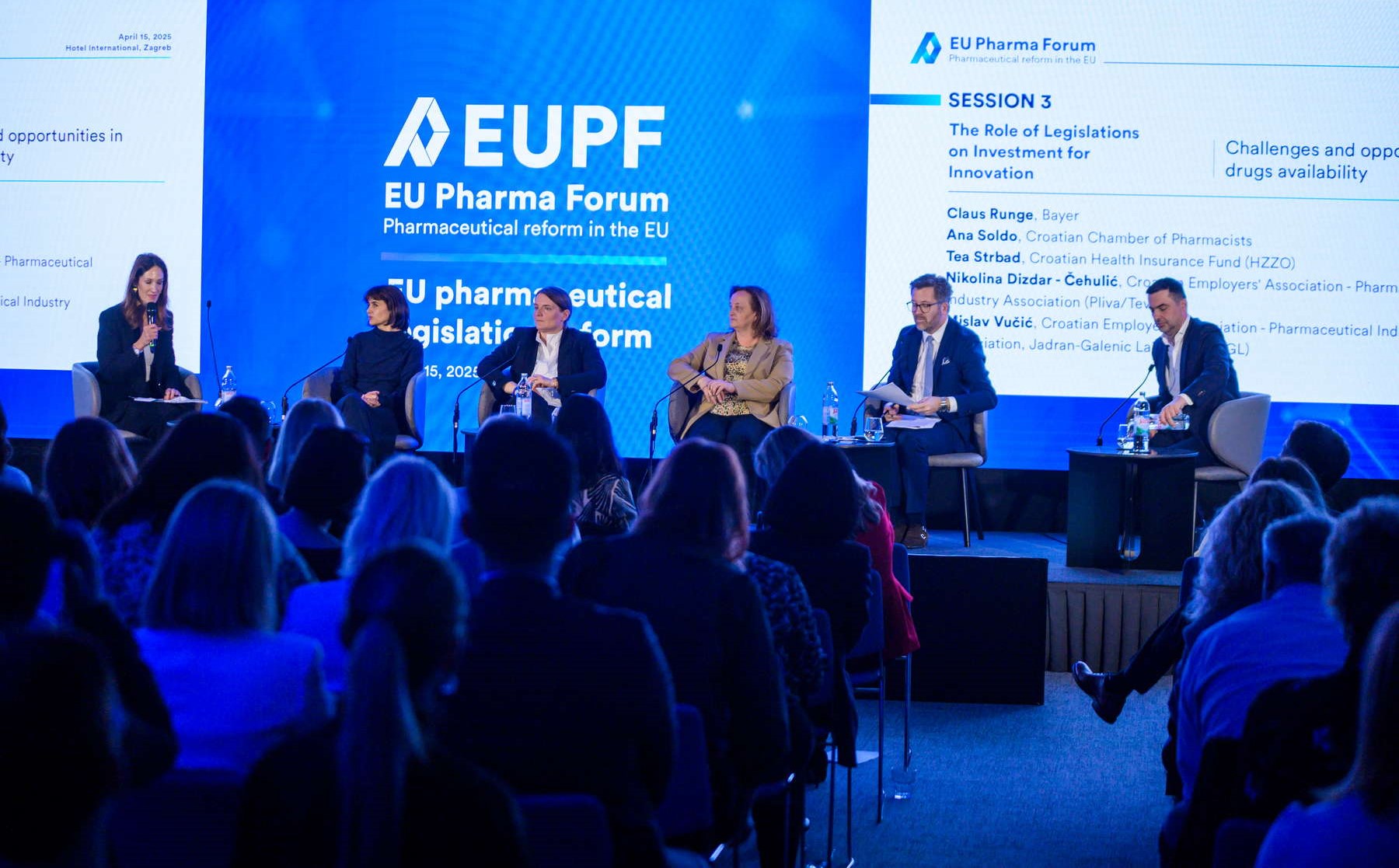
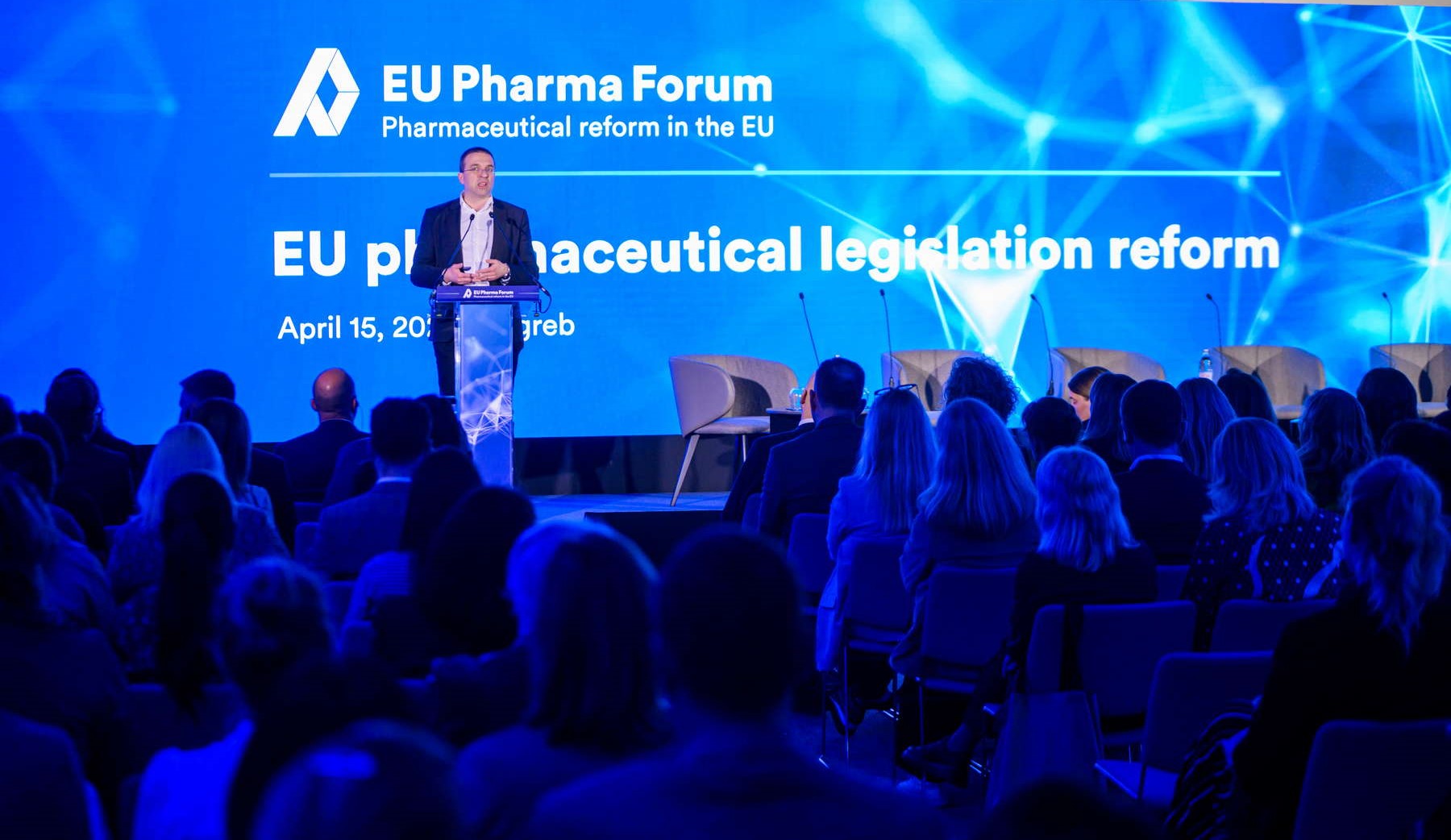
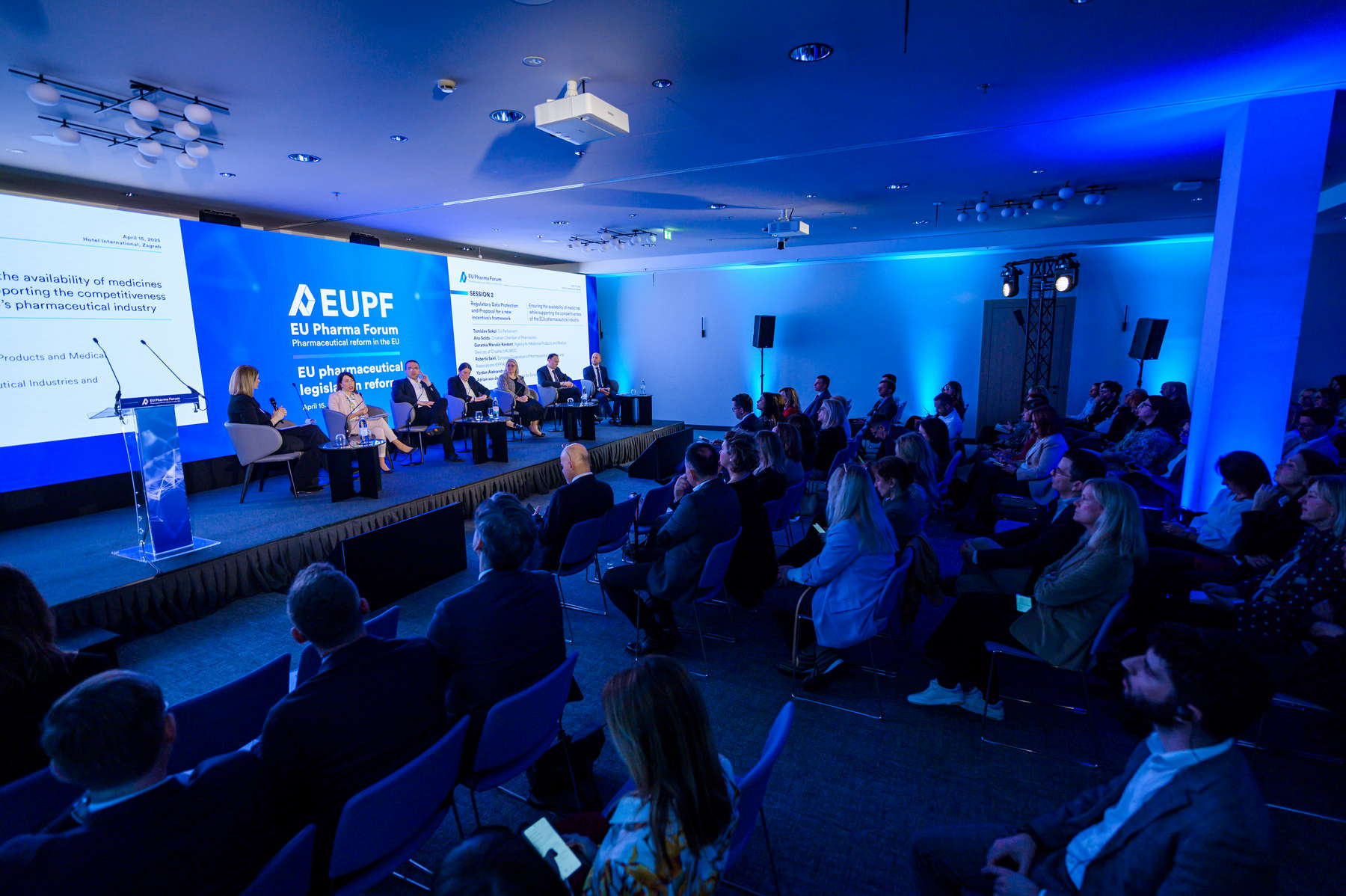
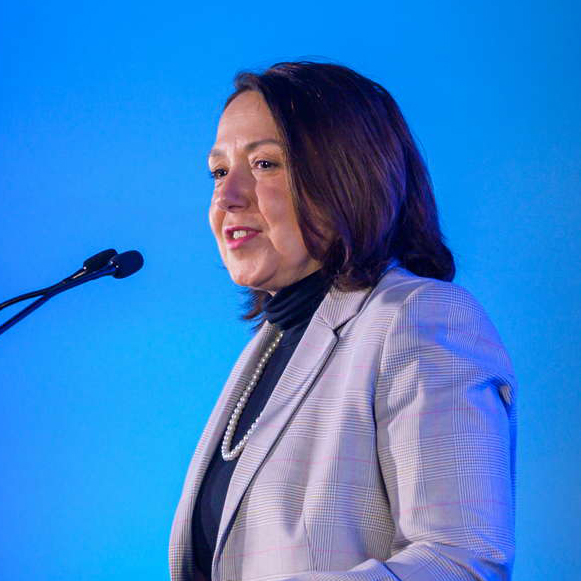
PAST EVENTS

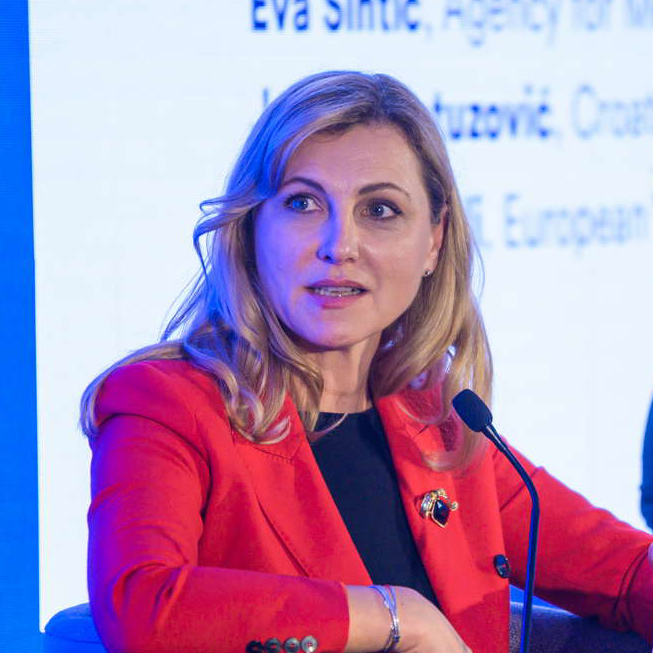
Irena Hrstić
Minister of Health of the Republic of Croatia
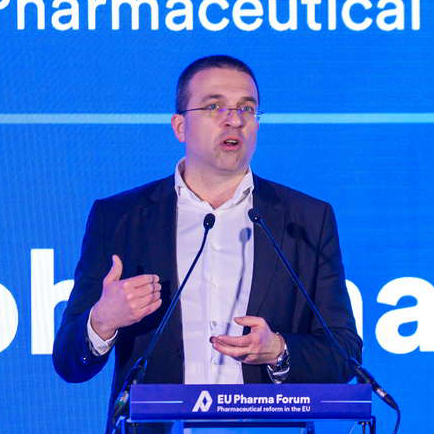
It is crucial to regulate processes so that medicines, once available on the EU market, become available to Croatian patients as quickly as possible and at an affordable price, with the Pharma Package enabling fairer access even in smaller countries like Croatia. At the same time, we must clearly define which medicines are considered critical and determine the level of EU reserves needed to prevent shortages, especially in times of crisis.
Tomislav Sokol
Member of the European Parliament
A balanced regulatory framework is needed - one that supports both innovative and generic manufacturers equally; streamlining procedures must not compromise the quality and safety of therapies.
Ana Gongola
HUP UPL / Sandoz / Lek
Market withdrawals are often driven by unsustainably low prices and administrative burdens; a more stable pricing policy is needed.
Roberta Savli
EFPIA
Protecting regulatory data is essential to safeguard sustainable investment in innovation and to consistently deliver new therapies to patients.
Shaping the Future of Health Together!

Progress in the healthcare sector doesn't happen by chance! It comes from collaboration among all system stakeholders and those who seek to change it. That's why we bring together diverse viewpoints - to drive real, positive change.
ORGANIZER
Contact: 01/4400 492
info@paradigma.biz